The Unexpected Joys of a No-Spend Weekend
A weekend without shopping, takeaway meals or paid entertainment can sound less like a treat and more like a budgeting exercise. Yet removing the easy spending options often creates room for pleasures that are quieter, cheaper and surprisingly memorable. A slow brekkie at home, a walk beside the water or an afternoon spent making something can change the shape of the weekend.
A no-spend weekend does not need to be severe or competitive. Essentials such as medicine, transport to work or food already in the cupboard still count as sensible spending. The idea is to pause discretionary purchases and notice what becomes available when advertising, errands and impulse buying lose their usual hold.
A quieter pace reveals what is already there
Modern weekends can fill quickly with café stops, retail trips, children’s activities and online orders. Each purchase may seem minor, yet the constant movement can leave a family tired by Sunday night. Staying close to home interrupts that rhythm and makes the day feel longer.
Try beginning with a “use what we have” breakfast. Cook the oats, eggs, fruit or bread already in the kitchen, then eat without rushing. A pot of tea and an open window can make an ordinary meal feel deliberate. In Australia, where a warm morning may arrive even in the cooler months, breakfast outdoors can turn a balcony, veranda or patch of grass into a small holiday setting.
The pleasure is partly practical. There is no queue, parking search or decision about whether the extra charge for an alternative milk is worth it. A slower morning gives children space for imaginative play and gives adults a chance to notice the household rather than constantly organising the next activity.
Home cooking becomes a creative project
A no-spend break is a useful opportunity to take stock of the pantry, freezer and garden. Instead of treating leftover vegetables, lentils or a nearly forgotten packet of pasta as limitations, make them the basis of the meal. Fried rice, soup, frittata, damper or vegetable fritters can absorb small quantities that might otherwise be wasted.
This approach also works well with Australia’s seasonal produce. A glut of tomatoes, herbs or zucchini from a backyard garden can become sauce, pesto or a shared plate for neighbours. If you have excess lemons, rosemary or chillies, swap them locally rather than buying another ingredient. Community food-swap groups and neighbourhood sharing shelves can make a frugal weekend feel social rather than restrictive.
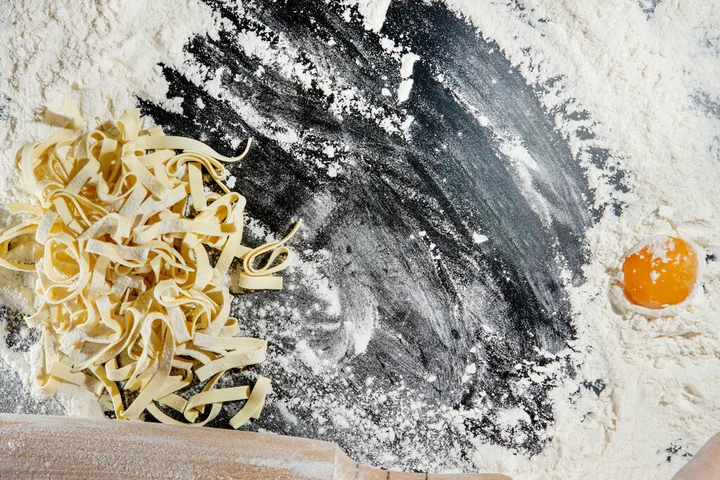
Children can help choose a recipe, wash vegetables or decorate homemade pizza with odds and ends. The result does not need to look polished. The memory comes from working together, tasting as you go and sitting down to eat something made from what was already available.
Familiar places feel new on foot
Free outdoor activities are among the easiest ways to add pleasure without adding cost. A local creek, beach, oval, botanic garden or bush reserve may be close enough to reach by walking, cycling or public transport. In Sydney, a coastal path can provide a full morning’s entertainment; in Melbourne, the Royal Botanic Gardens or a neighbourhood trail can do the same. Regional families may have a rail trail, riverbank or lookout nearby.
Check the weather and pack water, hats, sunscreen and food from home. Australian conditions can shift quickly, and a walk is much more enjoyable when nobody is hungry or unprepared. A shaded reserve may suit a hot Queensland day, while a brisk outing near Hobart or Canberra can be welcome in winter. The destination matters less than treating the journey as the activity.
Give the walk a small purpose. Look for native birds, photograph interesting textures, sketch trees or map the route for younger children. A familiar park becomes richer when everyone slows down enough to notice seasonal changes, insect life and the sounds beyond the traffic.
Free culture can deepen a weekend
Libraries are valuable no-spend resources, especially when families use them as places to browse rather than simply collect books. Many Australian council libraries offer story time, board games, digital lending, local history displays and free school-holiday activities. Some also provide seed libraries, toy collections or access to tools and creative equipment, depending on the council.
Museums, galleries and community centres often have free exhibitions, public talks or cultural events. Check the local council website, library noticeboard or neighbourhood house listings before the weekend. A free exhibition can lead to an afternoon of drawing, research or conversation at home. Public radio, podcasts and borrowed films offer further entertainment without opening a shopping app.
The key is to avoid turning free culture into another packed itinerary. Choose one outing and allow time to linger. Bring a notebook, make up a family quiz about the displays or let each person choose one object to discuss over lunch. Attention is often more valuable than admission.
Boredom creates room for making
When screens and shops are not filling every gap, boredom may appear. That is not necessarily a problem. A little unstructured time can encourage children to build cubby houses, invent games or rediscover toys. Adults may find themselves reading, repairing a chair, sorting photographs or finally learning the guitar sitting in the corner.
Use household materials for simple projects. Turn a cardboard box into a puppet theatre, mend clothes with visible stitching, press leaves between old books or make a natural dye from onion skins. A jar of buttons, fabric scraps and recycled paper can provide an afternoon of open-ended play. These activities teach resourcefulness without presenting sustainability as a lecture.
Gardening is another rewarding option. Sow herbs in reused containers, mulch a garden bed, collect seeds or prepare a small area for summer vegetables. In Australia, the right planting time varies widely between tropical, temperate and cool climates, so local nurseries, council guides and gardening groups are useful sources. The work connects a quiet weekend with future food and habitat.
Shared time matters more than paid entertainment
A weekend at home can strengthen relationships when it includes genuine attention. Cook a meal together, play cards, tell family stories or invite a neighbour over for tea using what is already in the cupboard. A shared afternoon does not need a reservation, special equipment or a carefully designed activity.
Adults may need to resist the urge to manage every minute. Let one person choose the music, another choose the meal and the children decide how to arrange the lounge room for a game. If conflict arises, treat it as part of learning how to spend time together rather than immediately solving it with a purchase or outing.
For couples and housemates, a no-spend weekend can also expose the difference between rest and avoidance. Talk during a walk, mend something side by side or plan a future trip using maps and library books instead of booking anything. The absence of commercial entertainment can make room for conversations that usually get postponed.
Spending less can clarify what is worth buying
The most useful benefit may arrive after the weekend. Once the habit of buying coffee, snacks or small household items is paused, it becomes easier to see which purchases genuinely improve life and which are simply convenient or prompted by advertising. A written note of avoided purchases can reveal patterns without turning the exercise into punishment.
Australian households are navigating higher grocery, rent, mortgage and energy costs, while supermarket pricing can be confusing because specials and loyalty offers change frequently. A no-spend pause is not a substitute for fair prices or adequate income, but it can create a little breathing room. Checking unit prices, using pantry food and planning around what is already at home can make the saving more visible.
Keep the lessons that feel helpful. Perhaps the family discovers that a library visit is more enjoyable than a shopping centre, that homemade pizza is a Friday favourite or that a local reserve is worth visiting each fortnight. The aim is not permanent deprivation. It is a clearer sense of where money, time and attention bring real value.
A weekend with no discretionary spending can leave behind more than a fuller bank account. It can restore the pleasure of ordinary food, local landscapes, shared work and unhurried conversation. On Saturday morning, write down three free things already available at home, then choose one to begin before midday.